Executive Summary
Need high-precision metal parts without the mechanical stress or heat of traditional cutting? Chemical Etching (also known as Photo-Chemical Machining) is the ideal solution for complex geometries and ultra-thin stainless steel components. In this guide, we dive into the technicalities of acid-controlled erosion, its cost-saving benefits, and why it’s the preferred choice for intricate speaker grilles and industrial nameplates.
Table of Contents
- How Chemical Etching Works: The Science
- Top Benefits: Why Choose Etching Over Stamping?
- Material Compatibility: Stainless Steel & Beyond
- Technical Specifications: Tolerances & Limits
- Engineering Tips: Understanding the “Undercut”
- Zhangying’s Expertise: 24 Years of Precision
01. How Chemical Etching Works
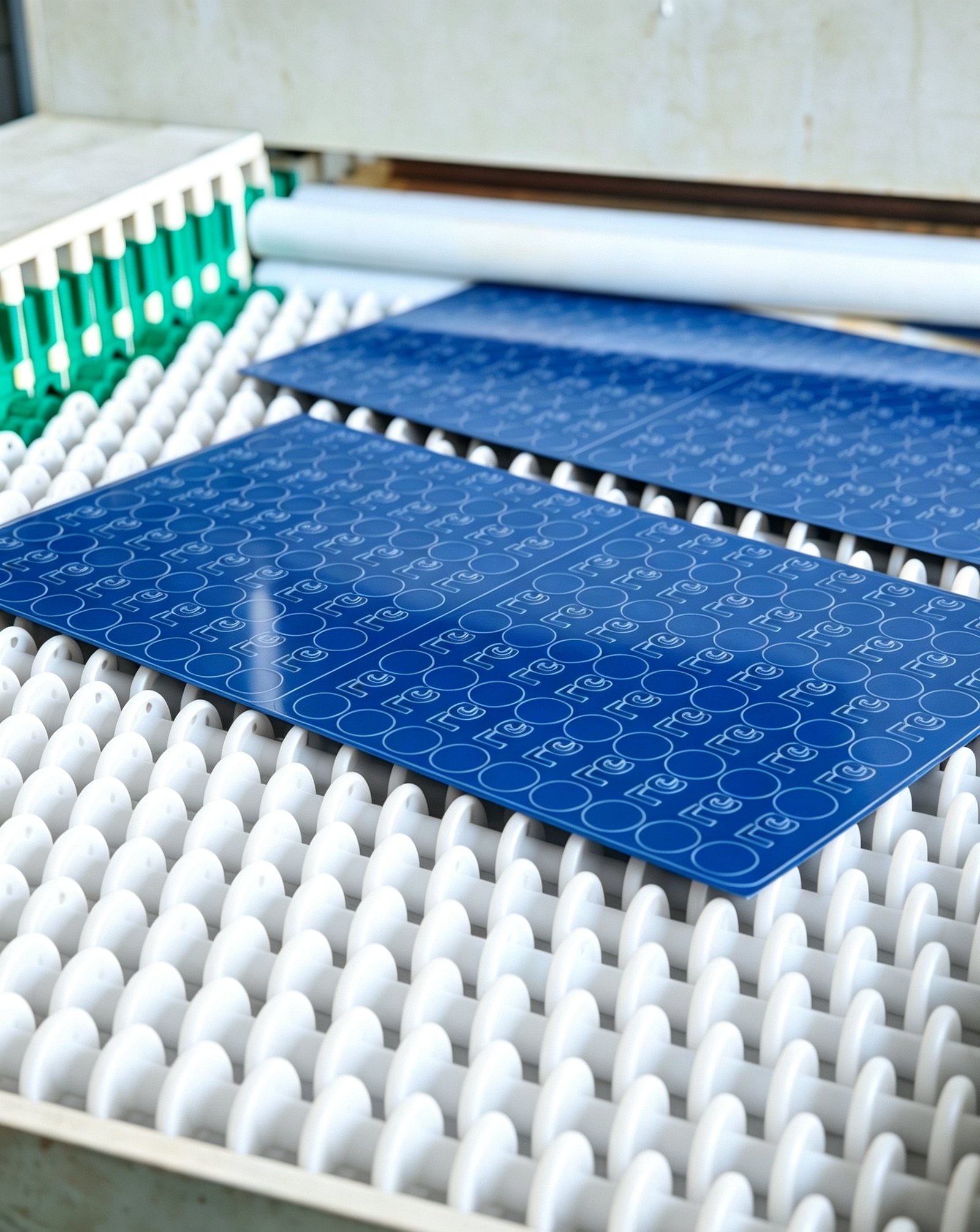
Chemical etching is a “subtractive” manufacturing process that uses high-pressure, temperature-controlled chemical sprays (usually acid) to remove metal in specific areas.
Zero Stress: Unlike stamping, there is no physical force applied, meaning the metal’s molecular structure remains unchanged.
The Process: A light-sensitive “photo-resist” is applied to the metal sheet. Using UV light and a photographic mask, we define the pattern. The areas not protected by the resist are then dissolved by the chemical etchant, leaving a perfectly burr-free part.
02. Top Benefits for B2B Procurement
- Low Tooling Costs: We use digital films instead of expensive steel dies. This makes prototyping and low-to-medium volume production significantly more affordable.
- Burr-Free Finish: The parts require no secondary deburring. The edges are smooth and clean right out of the machine.
- Extreme Complexity: Whether it’s a mesh with thousands of tiny holes or a logo with hair-thin lines, etching handles complexity at no extra cost.
- No Heat-Affected Zones: Unlike laser cutting, etching doesn’t melt the edges, preserving the material’s temper and color.
03. Material & Specification Table
| Property | Specification |
|---|---|
| Common Materials | Stainless Steel (304, 316), Copper, Brass, Aluminum |
| Material Thickness | 0.03mm to 1.5mm |
| Min. Hole Diameter | 1.1x the material thickness |
| Tolerance | ±10% of the material thickness (min. ±0.02mm) |
| Surface Finish | Brushed, Polished, Matte, or Plated |
04. Engineering Tips: Understanding the “Undercut”
In chemical etching, the acid doesn’t just eat downwards; it also eats slightly sideways. This is known as “Undercut.”
- The Rule: A standard etched hole will be slightly larger at the top than the bottom (tapered).
- Compensation: Experienced factories (like Zhangying) use “Compensation Design” on the photographic mask. We adjust the film’s dimensions to ensure the final product matches your CAD drawing perfectly.
05. Application Scenarios
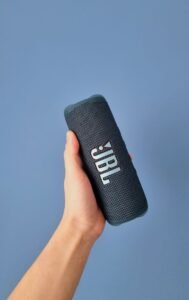
- Speaker Grilles: For premium audio systems where sound transparency and aesthetics are critical.
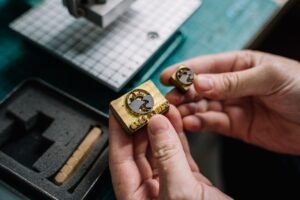
- Luxury Nameplates: Intricate logos for high-end electronics and appliances.
- Industrial Scales: Permanent, high-contrast markings for measurement tools.
06. Why Partner with Zhangying?
With 24 years of specialized experience in metal surface modification, Zhangying has mastered the art of controlled erosion. Our production lines are equipped with advanced automatic etching machines that ensure consistency across thousands of parts. We don’t just “etch”—we provide a consultative approach, helping you choose the right material grade and finish for your specific environment.