
Introduction: What is Electroforming?
In luxury packaging and consumer electronics, brand logos need to look sharp and sleek. Traditional stamping can deform small parts. Therefore, top brands use electroforming to make ultra-thin metal stickers with extreme detail.
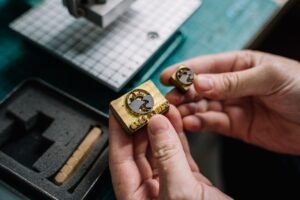
Electroforming is a specialized process that builds solid metal atom by atom inside a chemical bath. Unlike basic electroplating, which only coats an object, electroforming creates a standalone metal badge from scratch. As a result, you get a clean metal logo with sharp edges and zero stress.
How Electroforming Works Step-by-Step
The manufacturing workflow follows these simple steps:
- First, engineers print your design onto a flat master plate using light-sensitive film.
- Next, the plate enters a nickel bath. Electricity moves metal particles onto the bare conductive areas.
- Then, the nickel layer grows thicker over time. Workers monitor the liquid temperature and chemical mix constantly.
- Finally, workers add strong double-sided tape to the back. They carefully peel the finished metal design off the base plate.
Key Specs and Technical Features
- Ultra-Thin Profile: Standard thickness ranges from 0.04mm to 0.12mm. Therefore, the stickers remain flexible and fit smoothly on curved products.
- Micro Details: This process captures tiny script fonts and lines as thin as 0.15mm.
- Custom Colors: The nickel base easily accepts shiny chrome, 24K real gold, rose gold, and matte black finishes.
- Strong Backing Tape: Industrial adhesive (such as 3M) keeps the badge firmly glued in place.
Quality Control and Problem Prevention
- Preventing Pinholes: Liquid pumps circulate the chemical bath constantly. As a result, air bubbles cannot stick, and the surface stays smooth.
- Preventing Bending: Special chemical additives relieve internal tension. Therefore, the thin stickers remain flat and do not curl up.
- Durability Testing: Every batch passes a 24-hour tape test and a 48-hour salt spray test to prevent rusting.
Common B2B Applications
- Perfumes and Cosmetics: Bottle logos, compact case badges, and luxury gift boxes.
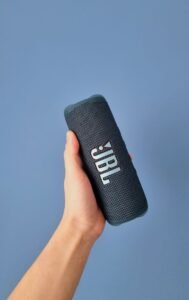
- Personal Electronics: Wireless earbud cases, laptops, speakers, and smart wearables.
- Boutique Accessories: Leather handbag hardware and eyewear frame accents.
Easy Design Rules (DFM)
- Keep standalone text lines at least 0.15mm wide so they do not break.
- Leave at least 0.20mm of space between letters to stop them from bleeding together.
- Clean your target surface thoroughly before sticking the badge on.
Talk to Our Engineering Team
Dongguan Zhangying Hardware & Plastic Product Co., Ltd. helps you turn digital artwork into real metal labels. Contact us today to request free samples and instant quotes!