How to Choose the Right Metal Nameplate: Materials, Processes & Costs
Introduction
A metal nameplate is more than a decorative label. It represents your product’s identity, quality, and brand value.
Whether used on electronics, home appliances, machinery, audio equipment, automotive products, or luxury packaging, the right material and manufacturing process make a significant difference in appearance, durability, and cost.
This guide compares six common metal materials and explains how to select the right solution for your custom metal nameplate project.
1. Compare Metal Nameplate Materials
Different metals offer different advantages in strength, weight, corrosion resistance, appearance, and manufacturing flexibility.
| Material | Key Advantages | Typical Applications |
|---|---|---|
| Stainless Steel | Durable, corrosion-resistant, premium finish | Electronics, machinery, appliances |
| Aluminum | Lightweight, versatile, anodizing-friendly | Equipment panels, outdoor enclosures |
| Zinc Alloy | Excellent for complex 3D structures | Emblems, badges, decorative logos |
| Electroformed Nickel | Ultra-thin, precise details, metallic finishes | Electronics, cosmetics, packaging |
| Copper | Warm metallic appearance, natural patina | Luxury plaques, instruments, decorative signs |
| Low-Carbon Steel | Economical, ferromagnetic | Industrial identification plates, promotional tags |
Key material considerations:
- Stainless Steel: Grades 304 and 316 are widely used. Grade 316 offers improved resistance to chloride-related corrosion.
- Aluminum Alloy: 5052 is suitable for many sheet-metal applications, while 6061-T6 offers higher mechanical strength. Anodizing provides additional surface protection and decorative options.
- Zinc Alloy: Die casting allows complex 3D shapes, raised lettering, and recessed details.
- Electroformed Nickel: Ideal for ultra-thin metallic logos, typically around 0.04–0.12 mm depending on design requirements.
- Copper: Offers a distinctive premium appearance and can develop a natural patina over time.
- Low-Carbon Steel: A cost-effective option that requires protective coatings to reduce oxidation.
2. Manufacturing Processes & Design Possibilities
The manufacturing process is just as important as material selection. Different processes determine the thickness, shape, surface finish, and level of detail a nameplate can achieve.
| Manufacturing Process | Best For | Design Features |
|---|---|---|
| Electroforming | Thin nickel logos | Fine details, separate letters, ultra-thin profiles |
| Chemical Etching | Stainless steel plates | Recessed patterns, raised details |
| Metal Stamping | Aluminum and steel plates | Embossed logos, formed structures |
| Zinc Alloy Die Casting | 3D metal emblems | Complex shapes, dimensional lettering |
| Laser Cutting & Engraving | Metal logos and plates | Precise outlines, fine lettering |
| Anodizing & Electroplating | Surface finishing | Customized colors and metallic effects |
Choosing the right process depends on your artwork, required thickness, design complexity, production quantity, and final appearance.
3. What Determines the Cost of Custom Metal Nameplates?
There is no fixed cost ranking for different metals. The final quotation depends on several factors:
1. Material Cost
Material grade, thickness, dimensions, weight, and market prices all influence the cost.
2. Tooling & Setup
Zinc alloy die casting requires steel molds, while stamping uses dedicated dies. Electroforming requires a master or mandrel, and chemical etching generally uses photo-tools instead of conventional hard tooling.
3. Manufacturing & Surface Finishing
Processes such as polishing, brushing, anodizing, electroplating, and laser engraving involve different production requirements and finishing costs.
4. Sample Development & Order Quantity
Artwork preparation, machine setup, prototyping, and manual finishing contribute to sample costs. Larger production quantities may help distribute initial tooling and setup expenses.
The most economical solution is not necessarily the cheapest raw material, but the combination of material and manufacturing process that best meets your design and production requirements.
4. How to Choose the Right Nameplate & Adhesive Solution
Beyond appearance and material properties, the mounting method must also match the actual application.
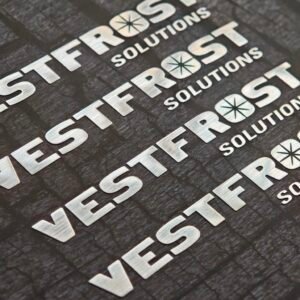
Ideal for ultra-thin logos, individual lettering, consumer electronics, cosmetics packaging, and premium accessories.
Customized adhesive backing can be selected for different substrates, including metal, plastic, and glass. Fabric applications may require specialized textile adhesives and washing-durability testing.
Suitable for industrial equipment, electrical appliances, control panels, and premium products. Chemical etching, brushing, and mirror polishing offer different visual and functional effects.
Zinc Alloy Emblems
Best for dimensional brand badges, decorative emblems, and complex 3D logos. Decorative electroplating provides a variety of metallic finishes.
A versatile choice for machinery, outdoor equipment, home appliances, and luxury packaging. Common finishes include anodizing, brushing, sandblasting, and laser engraving.
Copper & Steel Plates
Copper is suitable for distinctive decorative branding, while low-carbon steel offers an economical option for selected industrial identification applications.
Important: Adhesive performance depends on the substrate, surface energy, coating, temperature, and application environment. The bonding solution should always be evaluated against the actual product surface and service conditions.
5. How to Select the Best Material for Your Project
Before developing a custom metal nameplate, consider these five questions:
- What material is the product surface made of?
- What thickness, shape, and appearance do you need?
- Will the nameplate be used indoors or outdoors?
- Does it require adhesive backing, mechanical fixing, or another mounting method?
- What are your target order quantity and budget?
Providing a logo file, product photo, or technical drawing will help the engineering team recommend a suitable material and manufacturing process.
Conclusion
The best metal nameplate is the one that balances appearance, durability, manufacturing requirements, and cost.
From ultra-thin electroformed nickel stickers to stainless steel nameplates, aluminum plates, and 3D zinc alloy emblems, each material offers unique design possibilities.
Looking for a reliable custom metal nameplate manufacturer?
Contact Dongguan Zhangying Hardware Plastic Products Co., Ltd. for material recommendations, engineering support, and customized prototyping solutions. Let’s turn your brand design into a precision metal identity.